
A signed lease is a major milestone. For the teams responsible for tenant delivery, it is also the beginning of another demanding phase: getting the space ready, the plans approved, and the tenant open for business.
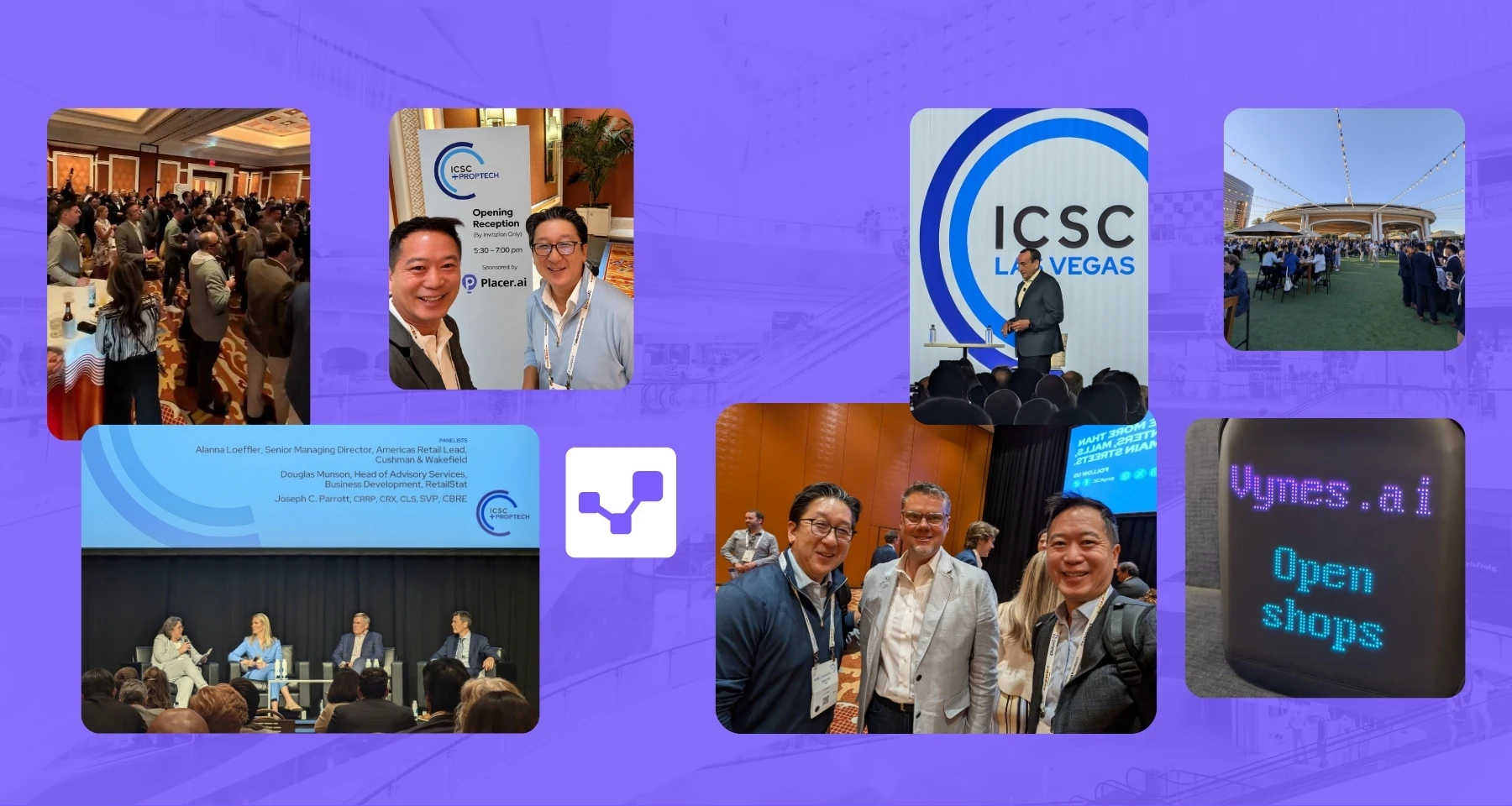
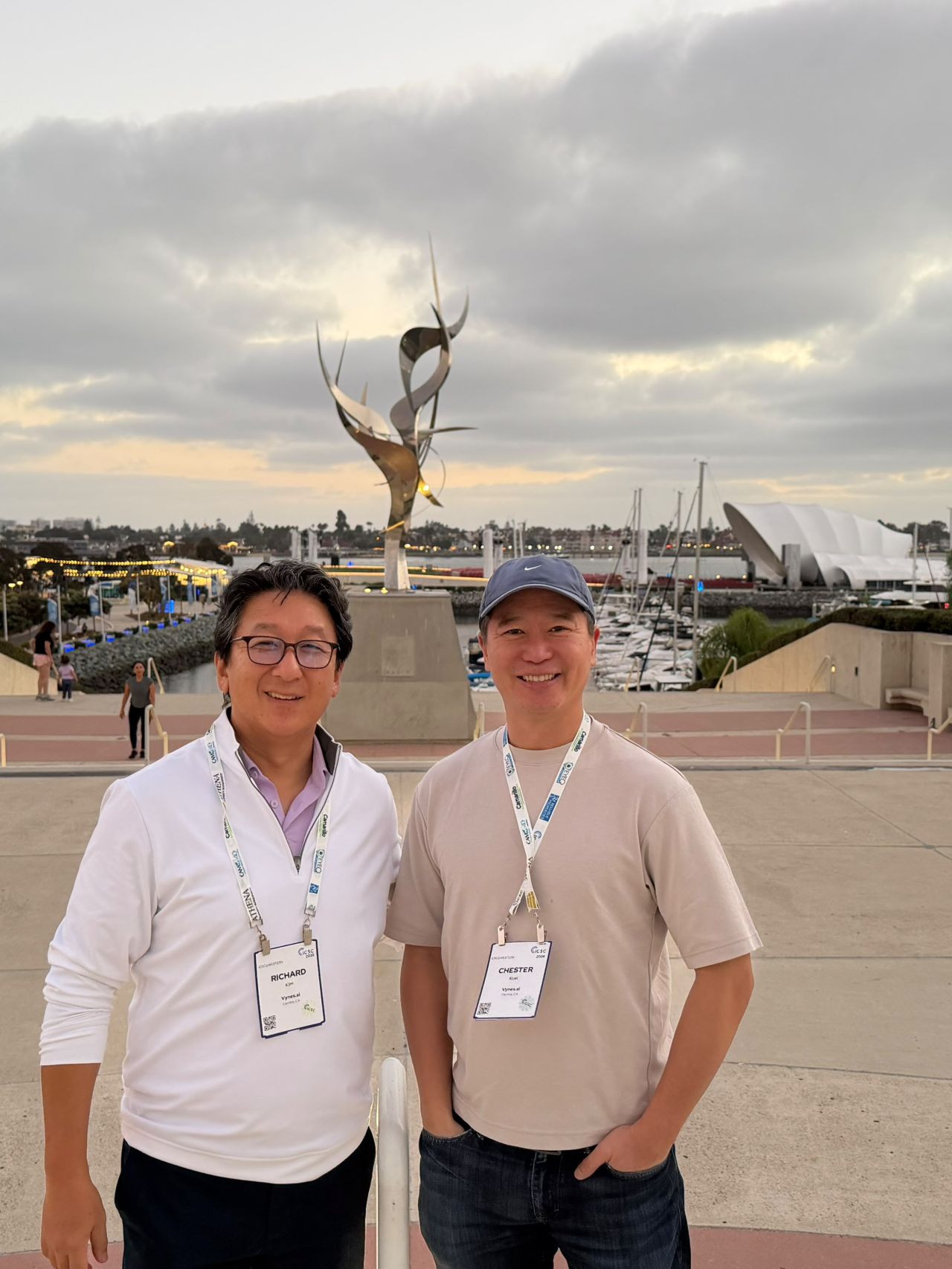
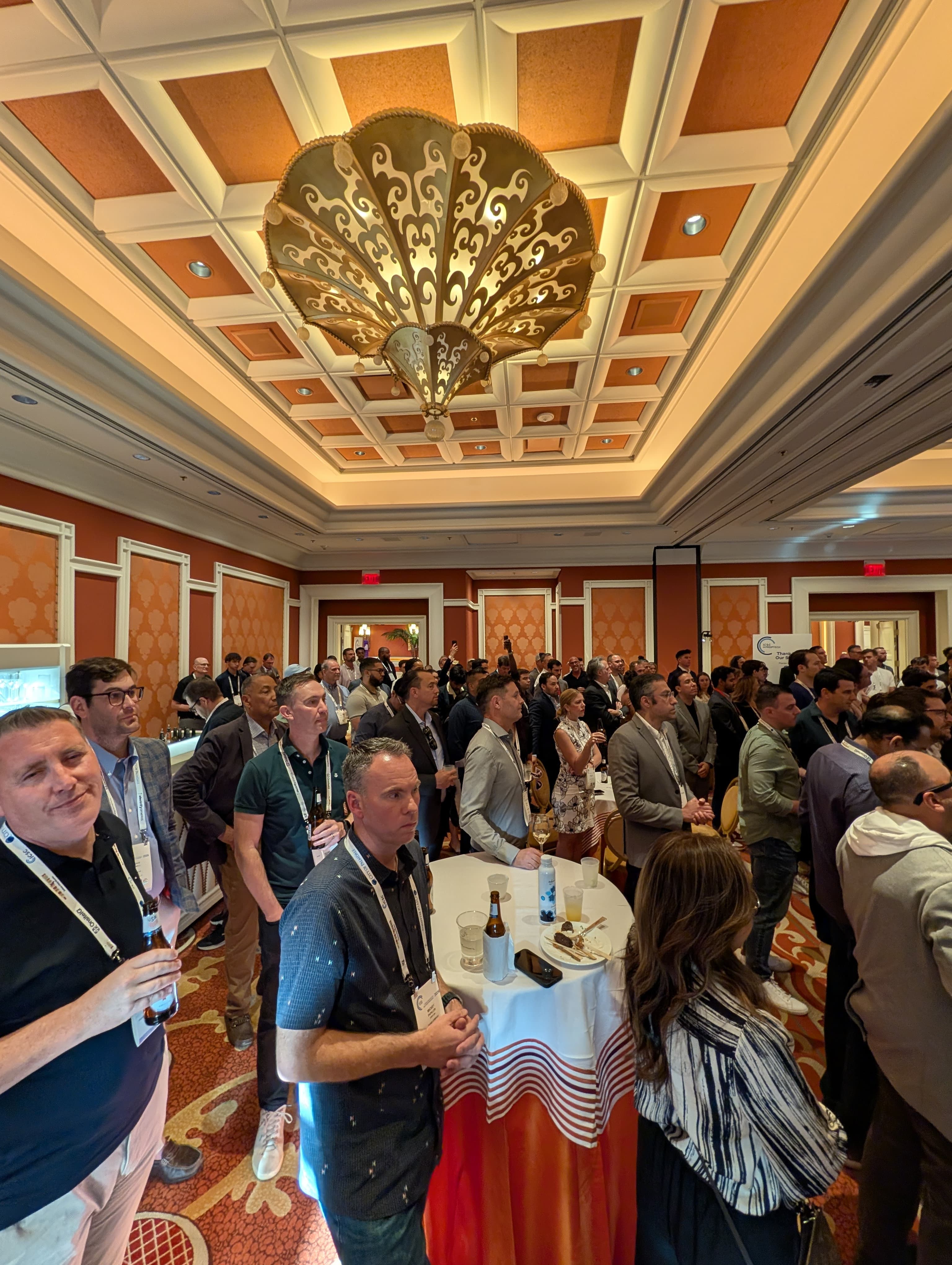
Our conversations at ICSC Las Vegas gave us the chance to introduce ADR Pro and hear how owners and operators approach tenant delivery across their portfolios. At ICSC Western in San Diego, Vynes CEO Richard Kim took that conversation further, asking roughly 30 developers how they manage tenant coordination after a lease is signed.
These were exploratory conversations, rather than a formal industry survey. But they sharpened the question behind our work at Vynes: how can commercial real estate teams give the work after the deal the attention, visibility, and support it needs?
Inspiration from ICSC Las Vegas
The inspiration also came from the event’s broader focus on leadership and innovation, with keynote speakers including Randi Zuckerberg, Founder and CEO of Zuckerberg Media; Mike “Coach K” Krzyzewski, former Duke University men’s basketball coach; and entrepreneur and broadcaster Erin Andrews.
For us, that focus raised a practical question: how do we turn ambition into better execution? In retail real estate, our answer starts with the work after the lease is signed—giving tenant delivery teams the tools and attention they need to move projects forward.
The gap between signed and open
The industry puts enormous energy into making deals. Leasing teams bring brands and properties together, negotiate terms, and secure commitments. Yet moving from a signed lease to an operating store requires a different set of activities, often stretching across months.
Tenant drawing packages need to be prepared and reviewed. Design comments need to be resolved. Approvals, permits, construction, and handover need to be coordinated. Each step involves people working with different documents, responsibilities, and timelines.
This is the “Signed Not Open” challenge: a lease is in place, but the tenant has not yet started trading.
For owners and operators, that gap deserves attention as an operational priority. A signed deal has commercial promise; an open store puts the space to work. Understanding what stands between those milestones is essential to improving retail tenant delivery.
Tenant coordination connects the process
Tenant coordinators, project managers, and design review teams connect the commercial agreement to what happens on site. Their work requires translating requirements into practical decisions while keeping information moving between landlords, tenants, designers, and contractors.
Consider a tenant drawing package submitted for landlord review. The reviewer may need to check it against the property’s design guidelines, a lease outline drawing, a work letter, and relevant technical requirements. A comment needs to explain the issue clearly enough for the tenant’s team to act on it. When revised drawings arrive, the team needs to understand what changed and what remains unresolved.
That is why tenant coordination is more than administrative follow-up. It is a function that supports quality, consistency, and progress throughout the store opening process.
Our ICSC conversations reinforced our focus on this stage of the commercial real estate workflow. The opportunity is to help the people doing the work, with tools that fit the documents and decisions they already manage.

Why design review is a practical starting point
Design review is one part of the broader tenant delivery process, but it is a meaningful place to begin.
Reviewing tenant drawings requires attention to detail and context. Teams need to find relevant requirements, compare them with submitted plans, and produce clear review comments. When information sits across several PDFs, even locating the right reference can add effort.
Across a portfolio, there is also the question of consistency. How can teams apply property requirements systematically while accounting for the specifics of each submission? How can a reviewer explain the basis for a comment so colleagues and tenant teams can assess it?
These questions have helped shape ADR Pro, our agentic AI design review platform for retail and commercial real estate.
ADR Pro supports a first pass through tenant drawing packages, helping teams identify potential issues and generate review comments for professional assessment. Source citations help reviewers trace comments back to supporting requirements. Multi-document AI brings relevant materials into the review, while comments and markups help teams communicate findings.
The goal is to give reviewers a clearer starting point and more capacity to focus on the decisions that need their expertise. Professional judgment remains essential to assessing findings and determining the appropriate next steps.
Connecting documents to the wider workflow
The learning extends beyond drawings. Tenant delivery also depends on understanding the documents that define responsibilities and requirements.
Lease Document Abstraction in ADR Pro brings information from leases, letters of intent, and work letters into a scannable summary alongside the original PDF. Linking that information to the relevant brand, property, and unit helps teams keep document context connected to the work.
This reflects a broader direction for Vynes: making the information needed for landlord-tenant review easier to access and use. As we develop the platform, conversations with owners, developers, tenant coordinators, and project managers help us test where support will be most useful.
Giving the work after the deal its due
From ICSC Las Vegas to ICSC Western, our focus has become clearer. The signed lease is an important achievement, and the work that follows deserves equal consideration.
Reducing the “Signed Not Open” gap requires coordination across the entire delivery process. AI can support specific tasks within that process, including document review and the preparation of traceable comments. Its value depends on how well that support fits the people responsible for moving a project forward.
At Vynes, we are building around that practical need: helping property teams review with greater consistency, manage information more effectively, and support the path from signed to open.
Explore the ADR Pro interactive product tour at https://www.vynes.ai/adr-pro-tour, or contact info@vynes.ai to share how your team manages tenant delivery.

