

AI agents promise to make everyday decisions faster, easier and more informed. But as they begin to research, compare and even negotiate on our behalf, they could also change something much bigger: the relationship between businesses and their customers.
What happens to pricing and loyalty when switching providers no longer requires much effort at all?
AI Agents Are About to Change More Than Convenience
Much of the conversation around AI agents has focused on what they can do for us. But their bigger impact may be on how consumers evaluate pricing, loyalty and the effort involved in switching providers.
As persistent AI agents become capable of researching, comparing, negotiating and acting on a customer’s behalf, they could remove much of the friction that businesses have historically relied on for retention. McKinsey estimates that AI agents could mediate $3 trillion to $5 trillion in global consumer commerce by 2030 — and that estimate covers goods alone.
When Switching Stops Being a Chore
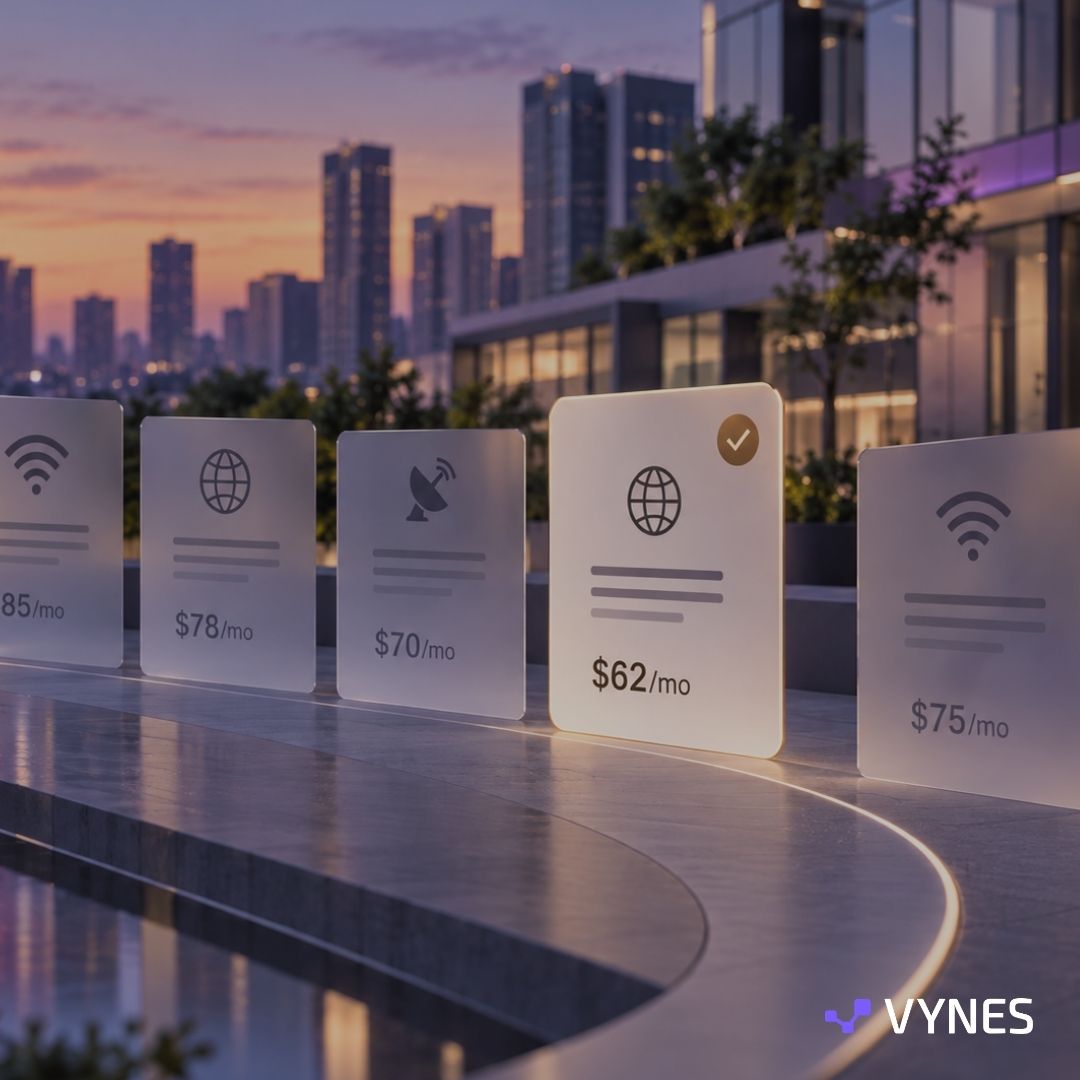
Across industries such as insurance, telecom, credit cards and subscriptions, customer inertia has long played a role in retention. A customer may know there is a better deal available, but researching alternatives, negotiating with providers and completing a switch takes time.
AI agents could change that equation. Imagine telling an agent: “Keep my internet below $70 a month, maintain at least 1Gbps, check competing offers when my introductory rate expires, negotiate with my current provider first, and switch me if there’s a materially better deal.”
Suddenly, auto-renew starts to look more like auto-rebid. Introductory pricing becomes less powerful when an agent remembers exactly when it expires, while retention could evolve into agent-to-agent negotiation. Businesses may eventually need offers, pricing structures and even APIs designed not just to attract customers, but to win their agents.
What This Could Mean for Commercial Real Estate

The implications become particularly interesting in commercial real estate. A building itself may be difficult to switch — leases can run five or ten years, and moving is expensive — but many of the costs surrounding that lease are much more fluid.
An enterprise AI agent could continuously audit common-area and operating expenses, benchmark insurance costs, compare janitorial, security and maintenance vendors, and renegotiate recurring service contracts. The lease may last a decade, but the rest of the cost stack doesn’t have to remain static.
From Customer Loyalty to Continuous Evaluation
This doesn’t mean price will become the only consideration. Trust, relationships, service quality and reliability will continue to matter. But removing the effort required to evaluate alternatives could fundamentally change how often customers reconsider their options.
In an agentic world, “I’m not in the market right now” may become much less common. Instead, AI agents could continuously test whether staying loyal still makes sense — creating a new environment of ongoing comparison and price arbitrage.
For commercial real estate, the question is no longer simply whether AI agents will affect purchasing and vendor relationships. It’s which parts of the cost stack will feel the effects first?

